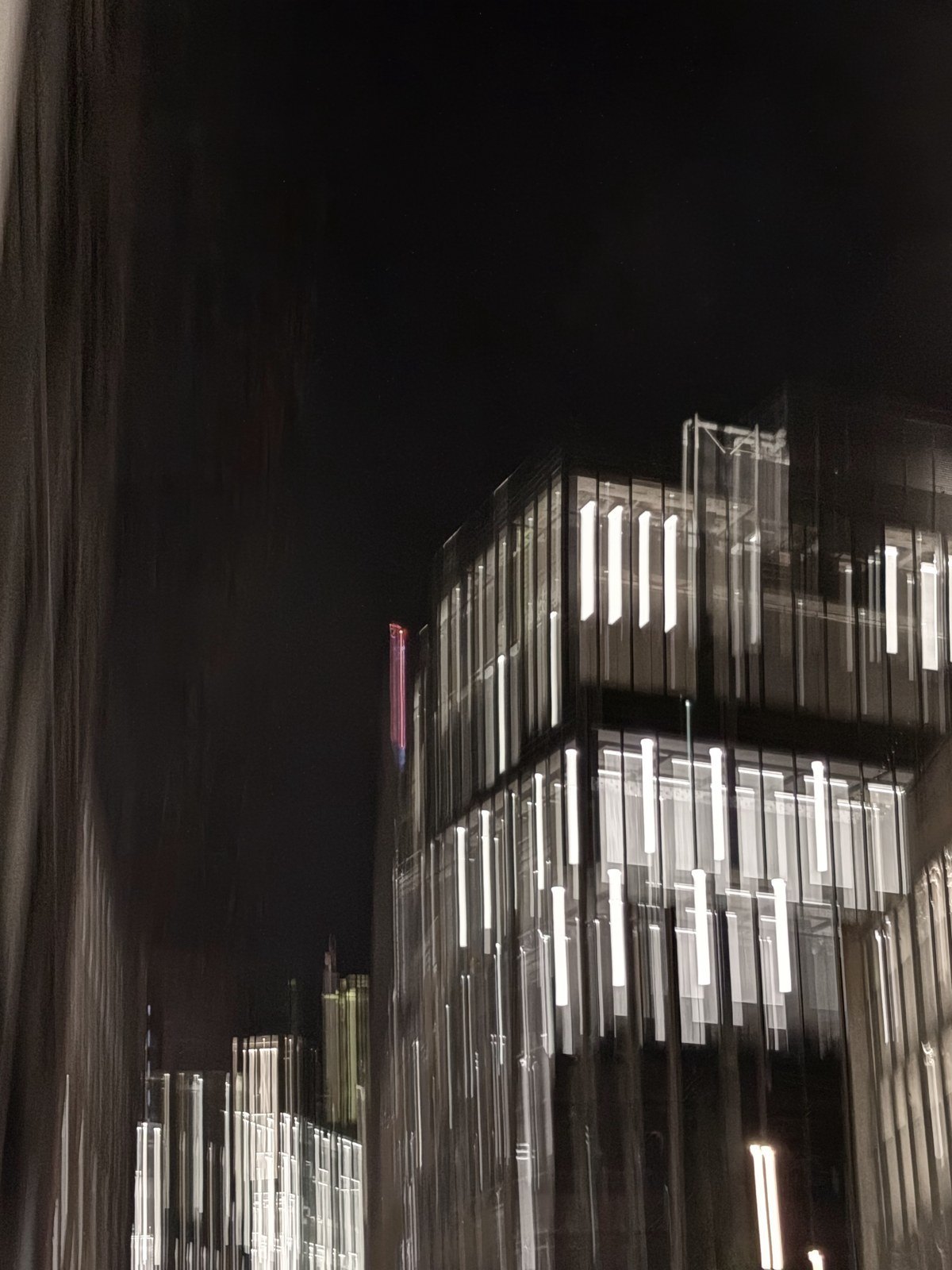
Intentional camera movement
Most of the time a photographer works to keep the camera still. Intentional camera movement, or ICM, does the opposite. The shutter stays open for longer than usual and the camera is moved on purpose during the exposure, so the subject is drawn across the frame as streaks, layers and soft shapes.
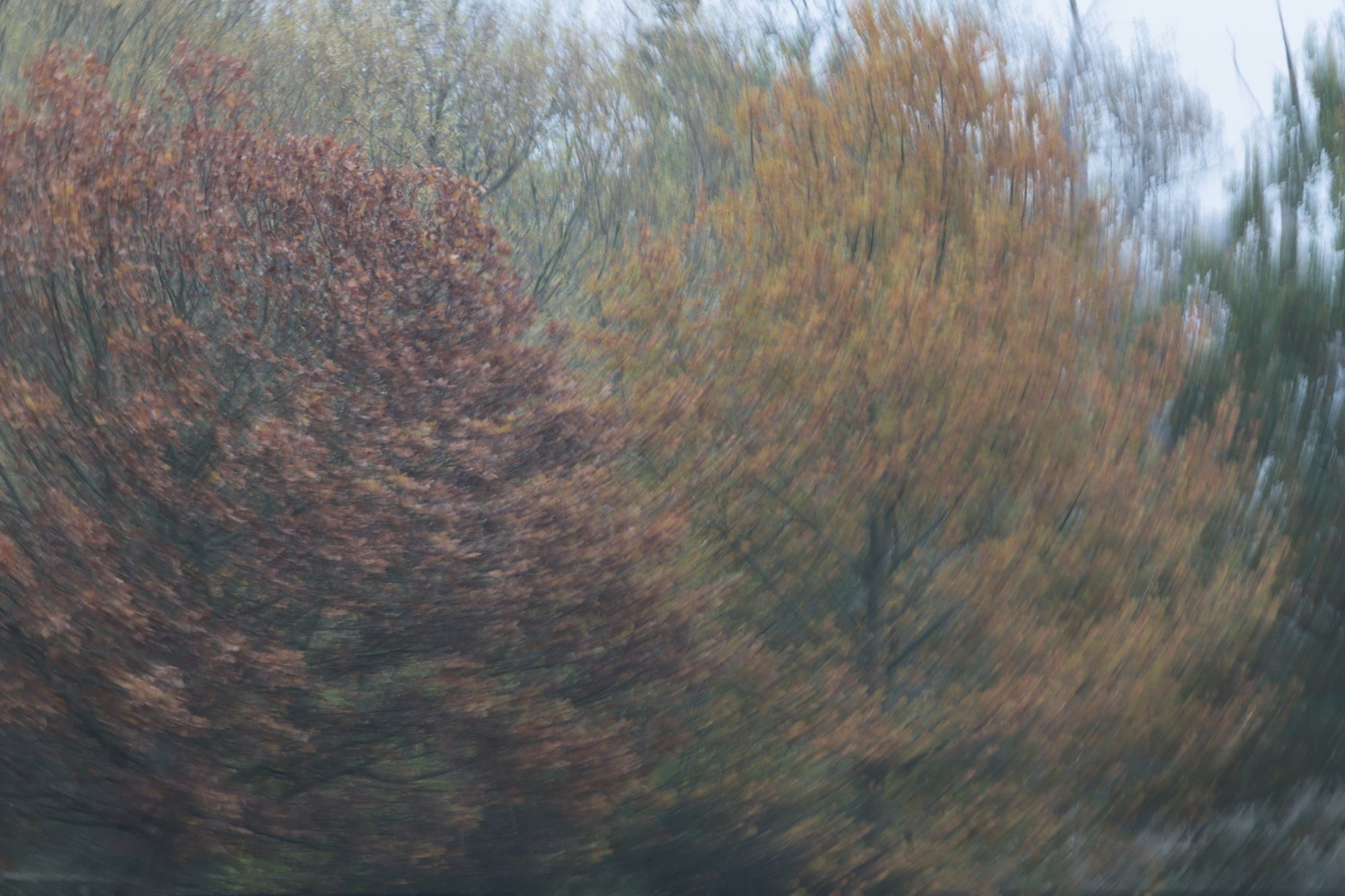
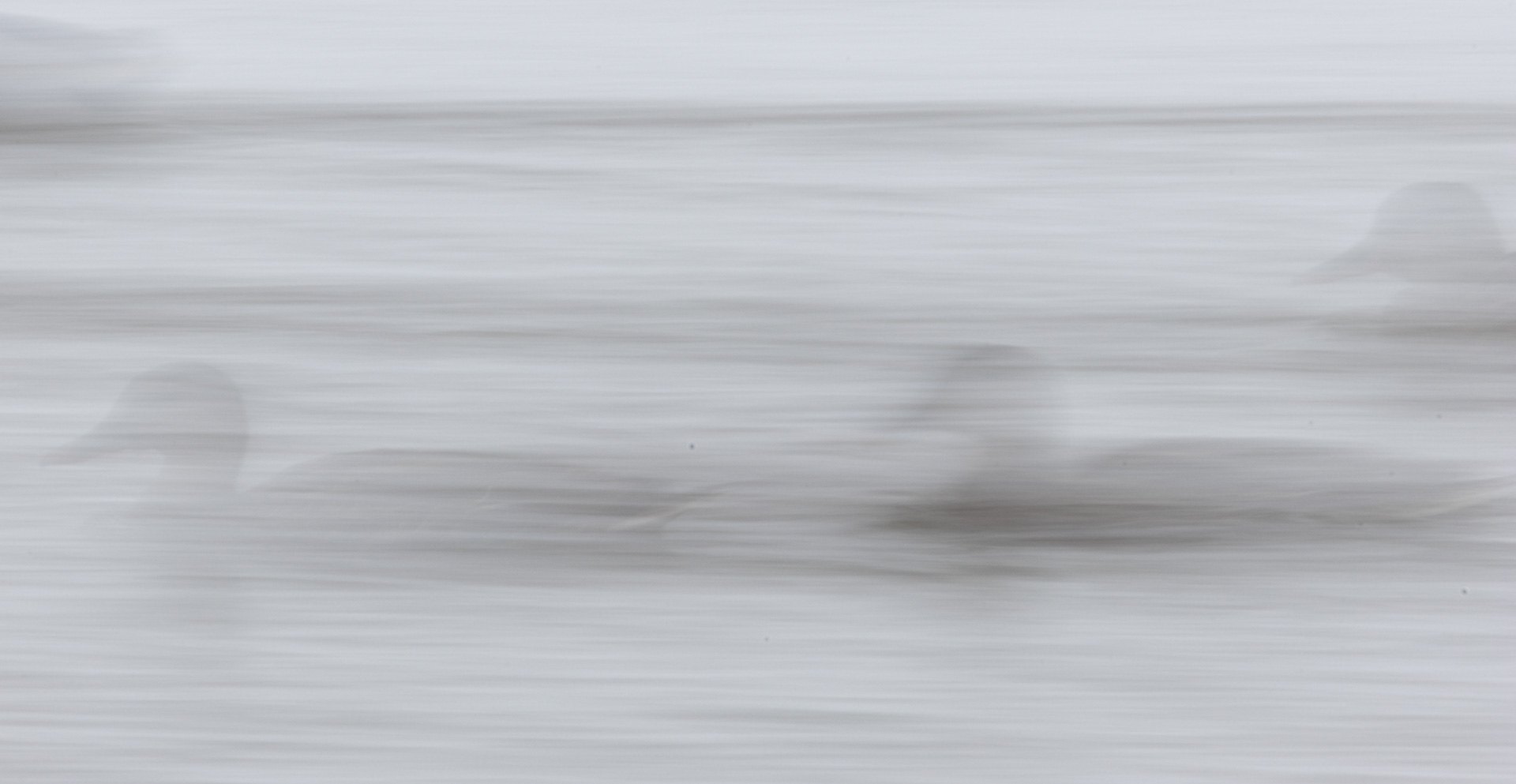
The direction of the movement decides the picture. A sideways pan pulls water into long horizontal lines. A vertical sweep stretches lights and buildings upward. A twist of the camera turns a line of trees into a swirl. A small circular movement repeats a bright point around a ring.
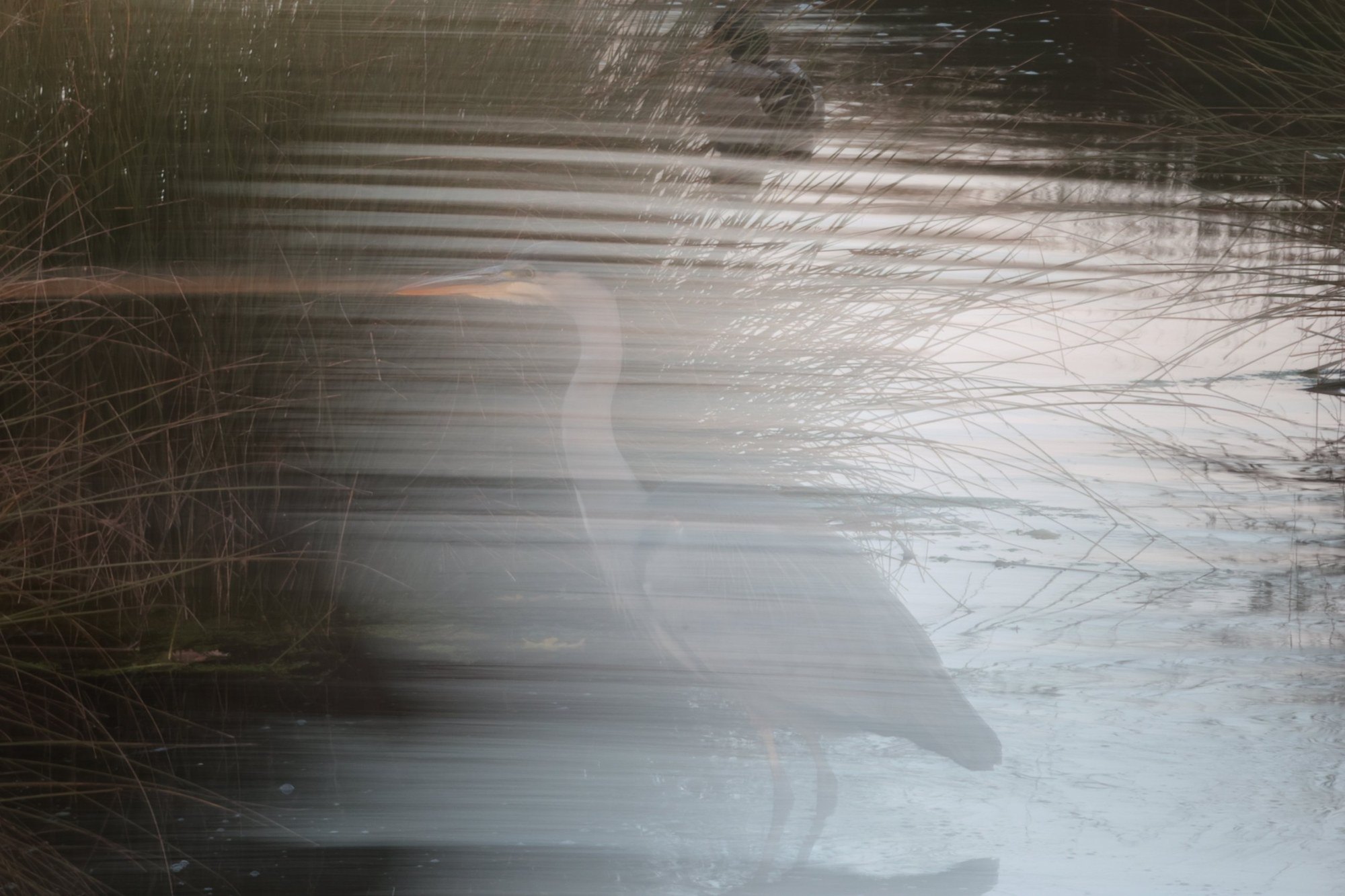

The results are part plan and part chance, and most frames are discarded. The ones that work keep just enough of the subject to recognise it.